


Black mold on bathroom walls is more than an ugly stain. It can spread when moisture stays trapped in the room, especially around showers, tubs, sinks, windows, and poorly ventilated areas. Learning how to remove black mold from bathroom walls can help you clean the affected area and reduce the chance of it coming back.The good news is that small areas of surface mold can often be cleaned with the right method. However, large or spreading mold problems may need professional help.
What Causes Black Mold on Bathroom Walls?
Bathrooms provide many of the conditions mold needs to grow.
The main cause is excess moisture. Warm temperatures, water vapor, condensation, and poor airflow can leave bathroom walls damp for long periods.
Common causes include:
- Hot showers that create steam
- Poor bathroom ventilation
- Leaking pipes or faucets
- Water leaks behind walls
- Condensation on cold walls
- Wet towels left against walls
- Damp grout and caulk
- Water splashing around the shower
- Roof or plumbing leaks
- High indoor humidity
Mold can begin growing when moisture remains on a surface for too long. Even if a bathroom looks clean, hidden moisture can create an environment where mold thrives.
How to Identify Black Mold on Bathroom Walls
Before cleaning, look closely at the affected area.
Black mold may appear as black, dark green, gray, or brown patches. It can look fuzzy, slimy, or powdery depending on its age and the surface.
Signs of bathroom mold include:
- Dark spots on painted walls
- Black patches around windows
- Mold around shower corners
- Dark growth along grout lines
- Musty or earthy odors
- Discolored caulk
- Repeated stains after cleaning
- Peeling paint near damp areas
Not every dark stain is mold. Dirt, soap buildup, and mineral deposits can also cause discoloration.
If the area repeatedly becomes dark after cleaning, investigate the source of the moisture rather than simply scrubbing the surface again.
How to Remove Black Mold From Bathroom Walls Without Risk
If you are dealing with a small area of surface mold, careful cleaning can often remove it.
Safety should come first. Mold can release particles into the air when disturbed. So, avoid dry-brushing or scraping moldy surfaces hard.

Gather Your Cleaning Supplies
You may need:
- Rubber gloves
- Protective eyewear
- A suitable mask or respirator
- A spray bottle
- Clean cloths or disposable towels
- A soft-bristled brush
- Mild detergent
- Water
- A mold-cleaning product if needed
- A bucket
Open a window or run the bathroom exhaust fan to improve airflow.
Do not mix different cleaning chemicals. In particular, never combine bleach with ammonia, acids, vinegar, or other household cleaners because dangerous gases can form.
Step 1: Improve Ventilation
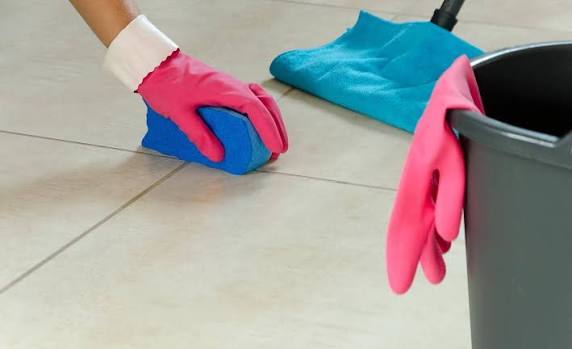
Before you start, increase airflow in the bathroom.
Open a window if possible and turn on the exhaust fan. Keep the bathroom door open when appropriate to help moisture escape.
Good ventilation also makes the cleaning area more comfortable.
Step 2: Protect Yourself
Put on gloves and eye protection before touching the affected surface.
Avoid touching your face while cleaning. Wash your hands thoroughly after finishing the job.
If the mold covers a large area or keeps returning, consider professional assessment instead of attempting extensive removal yourself.
Step 3: Remove Surface Dirt
Use a damp cloth to gently remove loose dirt and soap residue.
Do not scrub aggressively at first. Heavy scrubbing can spread contaminated material to nearby surfaces.
Dispose of heavily contaminated disposable materials carefully after cleaning.
Step 4: Apply a Suitable Cleaning Solution
For painted bathroom walls and other washable surfaces, start with a mild detergent solution.
Apply it to the affected area according to the product instructions. Allow it enough contact time to loosen the mold and residue.
Avoid soaking drywall or other porous materials. Too much water can make the moisture problem worse.
Step 5: Gently Scrub the Area
Use a soft brush or clean cloth to work on the moldy surface.
Move carefully rather than scrubbing aggressively. Pay special attention to corners, seams, and areas around fixtures.
For stubborn surface growth, a commercial mold cleaner designed for the specific wall material may be more appropriate.
Always read and follow the label instructions.
Step 6: Wipe the Wall Clean
Use a clean, damp cloth to remove remaining residue.
Do not leave excess water on the wall. The goal is to clean the surface without adding more moisture.
Step 7: Dry the Bathroom Wall Completely
Drying is one of the most important parts of mold removal.
Use clean towels and allow the wall to air-dry completely. Keep the exhaust fan running during and after the cleaning process.
If the wall remains damp, mold may return even after successful cleaning.
How to Remove Black Mold From Bathroom Walls Without Bleach
You do not always need bleach to clean surface mold.
A mild detergent and water can be useful for cleaning washable surfaces. Some commercial mold cleaners are also available for specific materials.
The best approach depends on the wall surface.
For example:
- Painted walls: Use a gentle cleaning solution and avoid excessive water.
- Tile: Clean the tile and pay attention to grout lines.
- Caulk: Mold that has penetrated deeply into caulk may must replacement.
- Drywall: If mold gets below the surface, porous drywall can be hard to clean.
- Wallpaper: Water-based cleaning can damage some wallpaper, so follow the manufacturer’s instructions.
The important point is that cleaning the visible mold is only part of the solution. You also need to control the moisture causing it.
Can Vinegar Remove Black Mold From Bathroom Walls?
Vinegar is sometimes used as a household mold-cleaning option, but it is not a universal solution.
Its effectiveness can change based on the mold type, the surface, and how deeply it has spread.
Never mix vinegar or any household cleaner with bleach or other chemicals.
For significant mold contamination, a product specifically labeled for mold or mildew may be a better choice.
How to Remove Black Mold From Bathroom Walls With Bleach
Bleach can remove stains from some nonporous surfaces. However, it’s not right for every wall type.
Porous materials can absorb moisture and allow mold to remain below the surface. Using a lot of bleach can create harmful fumes. It may also damage some finishes.
If you choose a bleach-based product, carefully follow the product label. Ensure the bathroom has good ventilation and never mix bleach with another cleaning product.
For painted drywall or other porous materials, first find the moisture source. If mold has set in, seek professional help.
What Is the Best Cleaner for Black Mold on Bathroom Walls?
There is no single best cleaner for every bathroom wall.
The right option depends on the material and the severity of the mold.
For Painted Walls
A mild detergent solution may be suitable for small areas of surface growth.
Avoid saturating the wall because excessive moisture can damage paint and drywall.
For Tile
Tile is generally easier to clean because it is nonporous.
Use a suitable bathroom or mold cleaner according to its label. Pay special attention to grout.
For Grout
Grout is more porous than tile, so mold can be harder to remove completely.
If discoloration remains after cleaning, the problem may be deeper than surface dirt.
For Silicone Caulk
If mold has grown deeply into old caulk, cleaning may not completely solve the problem.
In that situation, removing and replacing the affected caulk may be more effective.
How to Remove Black Mold From Bathroom Walls That Keep Coming Back
Recurring mold usually means the moisture problem has not been fixed.
Cleaning the same black spots again and again will not solve the underlying issue.
Check for:
- Plumbing leaks
- Poor ventilation
- Excess humidity
- Condensation
- Damaged caulk
- Water leaking behind the wall
- Cracks around windows
- Shower water escaping onto walls
A bathroom fan can make a major difference. Run it during showers and for a period afterward to help remove moisture.
You should also repair leaks as soon as you find them.
How to Prevent Black Mold on Bathroom Walls
Prevention is easier than repeatedly cleaning mold.
Use the Exhaust Fan
Turn on the bathroom exhaust fan when showering.
Keep it running afterward long enough to remove excess moisture.
Keep Surfaces Dry
Wipe excess water from shower walls and other wet surfaces.
Do not allow water to sit in corners or along wall seams.
Improve Airflow
Keep air moving through the bathroom.
If there is no effective ventilation, consider having the ventilation system evaluated.
Fix Leaks Quickly
A small leak can create a large mold problem over time.
Check faucets, pipes, shower fixtures, toilets, and areas beneath sinks for signs of moisture.
Keep Humidity Under Control
High humidity encourages mold growth.
A humidity meter can help you monitor moisture levels inside your home. If humidity remains high, use ventilation or a dehumidifier where appropriate.
Replace Damaged Caulk
Old or cracked caulk can allow water to reach areas where it should not.
Replacing damaged caulk around showers and tubs can help prevent recurring moisture problems.
When Should You Not Remove Bathroom Mold Yourself?
DIY cleaning is not always appropriate.
Consider professional help when:
- Mold covers a large area
- Mold keeps returning after cleaning
- There is extensive water damage
- Mold is inside drywall
- There is a strong persistent musty smell
- The source of moisture is unknown
- You suspect mold behind walls
- The affected material cannot be safely cleaned
- The water damage involves contaminated water
Large mold problems can require containment, removal of damaged materials, and moisture correction.
Handling a serious mold problem without proper equipment can spread contamination elsewhere.
Can Black Mold Grow Behind Bathroom Walls?
Yes. Mold can grow in hidden areas when water enters wall cavities.
Possible warning signs include:
- Bubbling or peeling paint
- Soft drywall
- Swollen walls
- Persistent musty smells
- Stains that return after cleaning
- Damp areas that never seem to dry
- Mold appearing around plumbing
If you suspect mold behind a wall, do not simply cover the area with fresh paint.
The moisture source needs to be located and corrected first.
Should You Paint Over Black Mold?
No. Painting over mold does not remove the problem.
Paint may temporarily hide discoloration, but mold can continue growing underneath or around the new coating.
Clean or remove damaged material, fix the moisture issue, and let the surface dry fully before repainting.
A mold-resistant coating may help with prevention in suitable areas, but it should not be treated as a substitute for moisture control.
How Long Does It Take to Remove Black Mold From Bathroom Walls?
A small surface area may be cleaned in one session.
The process can take longer if the wall needs drying, damaged caulk needs replacing, or a leak must be fixed.
The goal should not be to clean the spot as quickly as possible. The goal is to remove the surface growth safely and prevent it from returning.
Why Does Black Mold Keep Coming Back After Cleaning?
Recurring mold usually points to continuing moisture.
You may have cleaned the visible growth while leaving the underlying problem untouched.
For example, if condensation continues to make the wall damp every day, new mold can develop soon after cleaning.
Look beyond the stain. Check ventilation, leaks, humidity, caulk, grout, and hidden water damage.
Common Mistakes to Avoid When Removing Bathroom Mold
Several cleaning mistakes can make the problem worse.
Scrubbing Mold While Dry
Dry brushing can disturb mold particles and spread them around the room.
Use a controlled cleaning method instead.
Using Too Much Water
Soaking walls can increase moisture and damage porous materials.
Use only the amount of liquid needed for the cleaning method.
Mixing Cleaning Products
Never mix bleach with vinegar, ammonia, acids, or other cleaners.
Use one product at a time and follow its label.
Ignoring the Moisture Source
Cleaning without fixing the source often leads to recurring mold.
Always investigate why the area became damp.
Painting Over Mold
Fresh paint can hide stains but does not solve active mold growth.
Deal with the mold and moisture problem first.
Using the Same Cloth Everywhere
A contaminated cloth can spread residue to clean surfaces.
Use clean materials for different areas and dispose of heavily contaminated disposable items properly.
Frequently Asked Questions
Is black mold on bathroom walls dangerous?
Mold can be an issue for many, especially those sensitive to it or with respiratory problems. The safest approach is to avoid unnecessary exposure and address visible mold and moisture promptly.
Can I remove black mold from painted bathroom walls?
Small amounts of surface mold may be cleaned from washable painted surfaces using an appropriate cleaning method. Avoid soaking the wall, and investigate recurring moisture.
Does bleach permanently kill black mold?
Bleach may remove mold and discoloration from some nonporous surfaces, but it is not a universal solution for porous materials. Moisture control remains essential.
Can black mold grow back after cleaning?
Yes. Mold can return if moisture, leaks, condensation, or poor ventilation remain. Preventing recurrence requires fixing the underlying moisture problem.
Should I replace drywall with black mold?
If mold has penetrated porous drywall or the material has significant water damage, replacement may be necessary. The decision depends on the extent of contamination and damage.
How can I stop mold from growing in my bathroom?
Keep the bathroom dry and well ventilated.
- Use an exhaust fan.
- Repair leaks.
- Reduce condensation.
- Dry wet surfaces.
- Fix damaged caulk or grout.
When should I call a professional?
Professional help is needed when mold is:
- Extensive
- Hidden
- Recurrent
- Linked to major water damage
- On materials that can’t be safely cleaned
Final Thoughts
Removing black mold from bathroom walls is important. However, effective mold control means more than just getting rid of dark spots. Keep the bathroom dry. Improve ventilation. Repair leaks and fix damaged materials.For small surface growth, careful cleaning may be enough. If mold is widespread or keeps coming back, get a professional to check it. This is especially true if it’s in drywall or other porous materials.The best long-term strategy is easy: get rid of the mold, fix the moisture problem, and keep the bathroom dry.